Income protection and salary continuance
Pays part of your monthly income while you cannot work. It can run alongside a TPD claim rather than instead of one.

What income protection pays
Income protection, sometimes called salary continuance, replaces part of your monthly income while you are unable to work.
Most policies pay for up to two years, though some run until retirement age. It is a different benefit from TPD: income protection covers the period you are off work, and TPD pays a lump sum where you are not going back.
You can usually claim both
Having an income protection claim does not use up your TPD claim.
We regularly run the two alongside each other, and for most people that is the right approach — income protection covers you while the TPD claim is assessed, which can take months.
What the fund will ask for
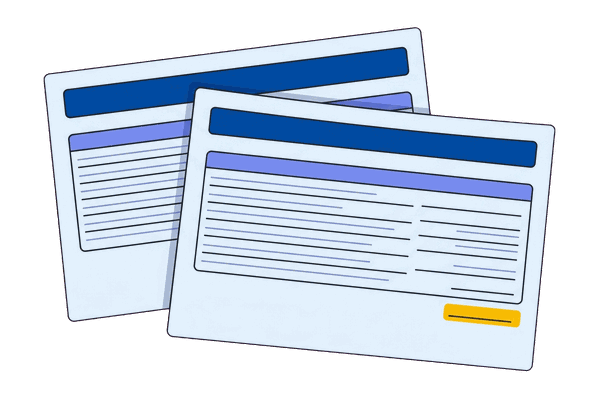
Alongside medical records, an income protection assessment needs proof of what you were earning.
That usually means payslips, bank statements, or both. Having them ready before you lodge saves weeks, because the fund will not start assessing until the file is complete.
Check your waiting period
Most policies have a waiting period before payments start, and it varies.
If you have been off work for more than three months, you are likely past it. Call us and we will check what your policy says.
Other kinds of claim
Different cover, same question: whether you can still work in a job your education, training and experience suit you to.
-
-
-
-


Check if you can claim
It takes about two minutes. You do not need your policy documents — just your super fund name if you know it. We will call you back and tell you plainly whether you have a claim.
- No cost for the first conversation
- We tell you plainly if you do not have a claim
- Claims handled Australia-wide
How a claim runs
- Step 1Free claim check
We look at your super and tell you plainly whether you have cover.
- Step 2We gather your medical evidence
We tell your doctors what the fund actually needs the report to address.
- Step 3We lodge and manage the claim
We deal with the insurer and the fund, so that you do not have to.
- Step 4Settlement
If the claim is accepted, the benefit is paid out and we explain what it means for tax.


Questions about income protection and salary continuance
How long do I need to be off work before I can claim?
Most policies expect around three months. Once you have been unable to work for more than three months because of an injury, illness or health condition, you are either eligible or close to it. It is not too early to check — getting the medical evidence right from the start matters more than starting quickly.
Guides on this
- Car Accidents and TPD Claims Have you suffered an injury or psychological condition due to a car accident, and you cannot work on your own or any occupation? Read the guide
- Chronic Illness and TPD Claims Living with a chronic illness can turn your world upside down. Whether it’s heart disease, mental illness, or another persistent condition, the daily grind of managing chronic health problems… Read the guide
- Can You Claim Income Protection and TPD at the Same Time? Total and Permanent Disability Insurance (TPD) is usually part of a worker’s superannuation fund. Read the guide
Not sure whether any of this applies to you?
Call and ask. No cost, no obligation, and we will tell you plainly.